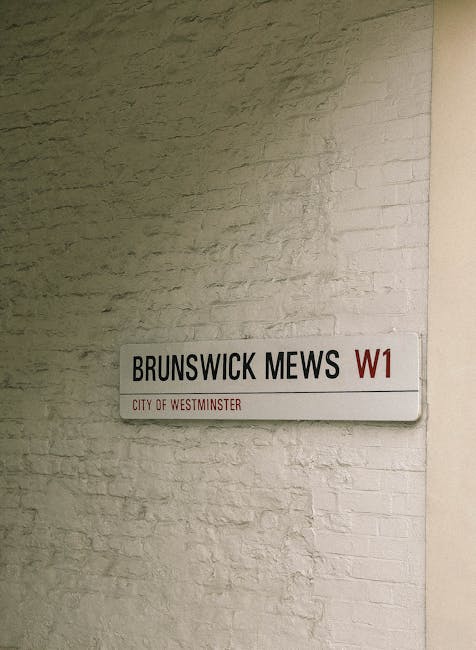
Westminster Council fines for commercial waste in Marylebone W1
Posted on 29/07/2026
Westminster Council Fines for Commercial Waste in Marylebone W1: What Businesses Need to Know
If you run a shop, cafe, office, clinic, or managed property in Marylebone, commercial waste is one of those things that only gets attention when something goes wrong. A missed collection, an overfilled bag, a fly-tipped box left beside the wrong bin, and suddenly you are dealing with Westminster Council fines for commercial waste in Marylebone W1. Not ideal, and honestly, it can feel a bit brutal if you were simply trying to keep the place tidy.
This guide breaks the topic down in plain English. You will learn what these fines usually relate to, how enforcement tends to work, where businesses slip up, and how to build a cleaner, calmer system that keeps waste under control. We will also touch on practical steps for Marylebone premises, from small retail units near the high street to busy office spaces and short-let buildings that generate more rubbish than people expect.
For local context, it helps to understand Marylebone as more than just a postcode. It is a busy, high-footfall part of central London, and waste issues are visible quickly. A few bad habits can become everyone's problem fast. If you want a broader feel for the area itself, the piece on what makes Marylebone such a distinctive London neighbourhood is a useful read alongside this one.
And if you need the short version: the best way to avoid trouble is to treat commercial waste as a managed business function, not an afterthought. That sounds obvious. In practice, plenty of places still wing it.

Why Westminster Council fines for commercial waste in Marylebone W1 Matters
Commercial waste enforcement matters because it sits right at the intersection of public cleanliness, business reputation, and operating costs. When waste is left on the street, stored badly, or handed over in a way that does not match local rules, the result is rarely just a warning. It can become a fine, and in a place like Marylebone the impact is visible to customers, neighbours, and staff almost instantly.
Marylebone businesses often work in tight streets, mixed-use buildings, and busy delivery windows. That makes the margin for error smaller than many people assume. A box placed outside too early, a sack that tears open, or waste from one unit mixed with another tenant's rubbish can lead to avoidable problems. Truth be told, a lot of these issues are basic, but basic is where many penalties begin.
There is also a wider commercial angle. A business that looks untidy around its waste area tends to feel less organised overall. Customers notice. Landlords notice. Neighbours definitely notice. And if you are managing a building, the mess often escalates into complaints about smells, pests, pavement obstruction, or the general sense that nobody is in charge.
If you manage premises in the area, it helps to read the more operationally focused piece on Westminster waste rules for Marylebone landlords. It adds useful context if you are juggling tenants, service charge arrangements, or building-level responsibilities.
There is another local layer too. Marylebone has a lot of hospitality, retail, and office use packed into the same streets. That means one business's shortcut can become another business's headache. And let's face it, nobody wants a row about bins before 9 a.m.
How Westminster Council fines for commercial waste in Marylebone W1 Works
Commercial waste fines generally come into play when a business fails to manage, present, or dispose of waste in line with the local expectations that apply to commercial premises. The exact enforcement route can vary, but the principle is straightforward: if your waste creates an issue, or if it is handled incorrectly, the council may investigate and take action.
In practical terms, fines may be linked to things like waste placed out at the wrong time, waste not secured properly, no clear arrangement for collection, contamination of recycling streams, or using domestic disposal habits for commercial rubbish. Sometimes the problem is obvious on the pavement. Sometimes it is administrative, such as missing records or poor duty-of-care documentation.
The phrase "commercial waste" covers more than many people think. It can include general business rubbish, recyclable material, packaging, food waste, confidential paper, and bulky items removed from an office or shop fit-out. If your business generates it, you need a system for it. Simple as that.
There is a difference between a one-off mistake and repeated poor practice, though. A single isolated issue may be handled differently from ongoing non-compliance. In real life, the details matter: what happened, how often it happened, whether the waste was attributed to a business, and whether the business can show it had proper arrangements in place.
If you are already dealing with waste from a wider clearance or building project, the article on skip permits and street works in Marylebone is worth a look. It helps distinguish between everyday commercial waste and larger clearance jobs that can bring their own headaches.
One small but important point: the council is not only looking at what is in the bin. They are also looking at how waste is stored, presented, and controlled. In other words, your bin yard, rear courtyard, side alley, or front pavement all matter.
Key Benefits and Practical Advantages
It might feel odd to talk about "benefits" when the subject is fines, but there are real advantages to getting commercial waste right. Good waste control is one of those unglamorous things that pays off quietly. You barely notice it when it works. You notice it immediately when it does not.
- Lower risk of fines: The most obvious one. A tidy, documented waste process reduces avoidable enforcement issues.
- Better street appearance: Customers and passers-by are far more forgiving when the frontage looks clean and managed.
- Fewer complaints: Neighbours, residents, and neighbouring businesses are less likely to complain about odour, overflow, or litter.
- More reliable operations: Staff know what to do, when to do it, and where waste should go. That saves time, oddly enough.
- Improved landlord relationships: If you rent your premises, good waste behaviour helps avoid awkward conversations later.
- Lower pest and hygiene risk: Especially in food-related premises, waste discipline has a direct impact on cleanliness.
There is also a quality-of-life gain for staff. People are simply more comfortable working in a place where the back area, store room, or loading zone does not feel like a permanent overflow point. A cleaner environment tends to support better habits across the rest of the business too.
If waste is part of a wider cleaning challenge, such as post-event debris, frequent office traffic, or a shop that picks up dust and packaging fast, you may also find the guidance on day-to-day cleaning for Marylebone High Street shops helpful. Waste control and cleaning discipline usually go hand in hand.
Expert summary: The cheapest waste system is rarely the one with the lowest collection fee. The cheapest system is usually the one that prevents fines, complaints, emergency clear-ups, and staff time lost to avoidable mess.
Who This Is For and When It Makes Sense
This topic matters to anyone who generates commercial waste in Marylebone, but some readers will feel the pressure more than others.
- Retailers with packaging, cardboard, bagged waste, or stock deliveries
- Cafes, restaurants, and hospitality venues dealing with food waste, mixed waste, and fast turnover
- Offices and co-working spaces with paper, packaging, electronics, and bin room management issues
- Landlords and managing agents responsible for shared waste arrangements or tenant compliance
- Property managers overseeing multiple commercial units or mixed-use buildings
- Fit-out and refurbishment teams generating bulky debris, packaging, and clearance waste
It also makes sense for businesses that have recently had a change in operations. A new tenant, a menu change, a refurbishment, a new delivery schedule, even a shift in opening hours can all alter the waste picture. What worked six months ago may not work now. That is very common.
If your building also handles residential turnover or mixed-use cleaning, the practical differences can be surprisingly messy. The article on end-of-tenancy mould and damp fixes in Marylebone rentals is not about fines, strictly speaking, but it does show how small maintenance issues can snowball when buildings are not managed properly.
And if your business has customer-facing interiors that suffer from wear, grime, or odour around waste storage areas, you may also need deeper cleaning support from services such as office cleaning in W1 or, depending on your setup, carpet cleaning in W1. Sometimes compliance is only half the job; presentation is the other half.
Step-by-Step Guidance
If you want to reduce the chance of fines, start by building a routine rather than reacting after the fact. A reactive approach is where the stress starts.
- Identify every waste stream your business produces. Separate general waste, recycling, food waste, confidential waste, and bulky items. Do not guess. Walk the premises and note what really comes out each day.
- Check who is responsible. In a leased property, responsibility may sit with the tenant, landlord, managing agent, or a combination. Make it explicit. Ambiguity breeds mess.
- Review storage space. Is there enough room for bins? Can waste be kept secure, dry, and out of public view? If not, you may need to rethink collection timing or container size.
- Set a presentation schedule. Know exactly when waste can be put out and when it must be removed. Staff should not be improvising on collection day.
- Train the people who touch the bins. This includes cleaners, closing staff, porters, and site managers. One confused person can undo a whole system.
- Keep records. Retain collection confirmations, invoices, and any waste transfer paperwork you use. Records matter more than most people expect.
- Inspect the waste area weekly. Look for overfilled bins, leaks, contamination, loose packaging, odours, or signs of pests.
- Fix patterns, not just incidents. If the same problem keeps happening, the system is wrong. Change the process rather than relying on reminders.
A small practical example: a cafe on a busy Marylebone side street may think the issue is "too much rubbish." Often it is actually bin capacity, collection timing, and cardboard breakdown. That is a very different fix. Flattening boxes and adjusting storage can make a bigger difference than another round of stern emails. Funny how that works.
If waste sits alongside other day-to-day site problems, a fast response can matter. The advice in same-day emergency cleaning in Marylebone is relevant when spillages, overflow, or a sudden mess need immediate attention before they become a complaint.
Expert Tips for Better Results
Here are the habits that tend to separate businesses that stay on top of waste from businesses that repeatedly get caught out.
- Assign a named owner. Not a department. A person. Someone should be able to answer, "Who checks the bins?" without a shrug.
- Keep waste routes short. The more staff have to carry rubbish across the premises, the more likely it is to be dropped, left, or contaminated.
- Use clear labels. Simple labels beat guesswork. Even better if staff turnover is high.
- Match bins to real output. If your cardboard volume spikes every Thursday, your collection plan should reflect that. Not next month, now.
- Review peak periods. Sales events, hotel check-ins, and delivery-heavy weeks often create waste surges. Plan for them.
- Keep an eye on weather. Rain, wind, and wet cardboard can make a tidy setup look bad fast. London weather likes that sort of joke.
One useful habit is to do a quick closing check near the end of the day. It takes minutes, not hours. If you have ever walked past a street at 7 a.m. and seen sacks split open beside a bin, you already know why that matters.
Another tip: do not let the waste area become the unofficial storage room for everything nobody wants to deal with. Old packaging, broken shelving, random boxes, and spare fixtures all migrate there if you are not careful. The space then becomes a magnet for neglect. That is when problems start looking bigger than they are.
![The image shows the exterior of a multi-story building with a light-colored brick facade under bright daylight. The ground floor features a black front door framed by two white classical-style columns supporting a rounded arch, and a black metal gate encloses the entrance area. The upper floors have several rectangular windows with black frames, some with metal railings outside. The building's wall surface appears clean and well-maintained, with no visible dirt or damage. A small street sign reading 'HILL STREET W1' is mounted on the wall near the corner. Bright sunlight illuminates the scene, casting shadows from the railings and columns onto the facade, indicating a clear day. Mentioning [COMPANY_NAME], professional cleaning specialists, their services support maintaining hygienic and presentable properties, essential in compliance with Westminster Council regulations for commercial waste management in Marylebone W1, W1.](/pub/blogphoto/westminster-council-fines-for-commercial-waste-in-marylebone-w12.jpg)
Common Mistakes to Avoid
Most fines do not begin with dramatic negligence. They begin with small, repeated oversights. The kind people say they will sort out next week.
- Leaving waste out too early: A common issue in mixed-use streets where timing matters.
- Using the wrong bins: Commercial waste does not belong in random domestic arrangements unless the setup is clearly valid and appropriate.
- Failing to separate recycling: Contamination can turn a tidy system into a costly one.
- Overfilling containers: Overflow makes enforcement easier and pests more likely.
- Not securing lids or sacks: Wind, birds, and passers-by can turn loose waste into street litter in minutes.
- Ignoring shared responsibilities: In multi-occupancy buildings, assuming "someone else handles it" is a classic mistake.
- Skipping documentation: If there is a dispute, missing records make everything harder.
There is also the mistake of treating waste as a cleaning-only issue. It is not. It is an operational, reputational, and sometimes contractual issue too. A cleaner may tidy the area, but if the source process is wrong, the problem returns. Again and again. Quite tiring, that loop.
For businesses that also want their pricing to be predictable, the article on transparent pricing in Marylebone is a good reminder that hidden costs often appear when systems are vague. Waste arrangements are no exception.
Tools, Resources and Recommendations
You do not need a complicated toolkit to manage commercial waste well, but you do need a few sensible basics.
- Waste log sheet: Keep a simple record of collection days, issues, missed pickups, and corrective actions.
- Bin labels and signage: Make the rules visible so staff are not relying on memory alone.
- Photo checks: A quick photo after close can help show whether waste was stored correctly. Useful if there is a dispute.
- Collection calendar: Shared digital calendars work well for teams with shift changes.
- Staff briefing note: One page is often enough. Keep it simple and update it when the process changes.
- Periodic deep clean: Waste areas benefit from proper cleaning, especially where odour or residue builds up.
For businesses that need support beyond the waste area, local cleaning services can help reduce the knock-on effect of poor waste handling. That might mean regular maintenance through services overview, targeted work such as upholstery cleaning in W1, or a regular refresh via domestic cleaning in W1 for mixed-use spaces. Different setup, same principle: keep the environment manageable before the problem gets bigger.
If you are comparing providers or trying to budget for extra cleaning after waste-related issues, it may also help to review pricing and quotes. A clear estimate is a lot easier to work with than a vague promise and a surprise invoice. Nobody enjoys that.
Law, Compliance, Standards, or Best Practice
When people search for Westminster Council fines for commercial waste in Marylebone W1, they are usually trying to understand the rules without getting buried in legal jargon. Sensible instinct. The practical answer is that businesses are expected to manage their waste responsibly, keep clear arrangements for collection and disposal, and avoid creating nuisance, obstruction, or pollution.
In UK business practice, good waste management usually means:
- having an organised collection arrangement
- keeping waste secure and contained
- separating recyclable and non-recyclable material where required
- maintaining proof that waste is being handled properly
- training staff so procedures are followed consistently
Best practice is not just about avoiding fines. It also helps with health and safety, fire risk, pest control, and contractual expectations in shared buildings. If you operate from a managed property, the building rules may be just as important as any formal council process. That is where many businesses get caught out. They think they only need to satisfy one set of rules, when in reality they have to satisfy several at once.
For readers who want to understand broader operational standards and how a provider thinks about care, it can be useful to look at health and safety policy and insurance and safety. Those pages are not waste guidance as such, but they do reflect the kind of risk-aware approach that businesses should also apply to waste handling.
Privacy and complaints procedures matter too if your waste management process involves staff records, site photos, or service issues. For that reason, some readers also like to review privacy policy and complaints procedure. Not glamorous. Still useful.
Practical takeaway: if you cannot explain your waste process clearly to a new manager in two minutes, it is probably too messy. That is a decent test. Not scientific, but decent.
Options, Methods, or Comparison Table
There are a few common ways businesses in Marylebone handle commercial waste. The right choice depends on volume, staffing, building layout, and how sensitive the site is to clutter or odour.
| Method | Best For | Advantages | Watch Outs |
|---|---|---|---|
| Scheduled commercial collection | Shops, cafes, offices, mixed-use units | Predictable, easy to train around, usually most practical | Needs good storage space and disciplined presentation |
| Shared building arrangement | Managed blocks or multi-tenant sites | Efficient where several occupiers share facilities | Responsibility can become blurred if rules are not written down |
| Ad hoc uplift for bulky items | Refits, clear-outs, occasional overspill | Flexible for one-off needs | Easy to misuse for regular waste if nobody checks |
| Internal waste handling with deep cleaning | Premises with frequent mess or customer-facing interiors | Keeps standards high and reduces odour/build-up | Needs staff buy-in and regular review |
For many businesses, the best setup is a blend: structured collection, clear bin rules, and regular cleaning support. A single method rarely solves everything. That is just real life.
Case Study or Real-World Example
Here is a realistic Marylebone scenario.
A small office near the edge of the commercial district starts leaving mixed waste bags beside its bin store because the main container fills faster than expected on busy days. Staff assume the evening cleaner will sort it out. The cleaner assumes the courier bag company will collect it. Nobody owns it properly. Within a few weeks, bags are getting split, cardboard is blowing into the street, and a neighbour complains about the smell after a wet weekend.
The fix is not dramatic. It usually looks something like this:
- the office manager reviews actual waste volume for two weeks
- cardboard is flattened before storage
- collection frequency is adjusted
- one staff member is made responsible for closing checks
- the waste area is cleaned and relabelled
- photographs are taken after close for a short period to confirm compliance
Within a short time, the area becomes manageable again. The street looks better, staff complain less, and the business stops living in a state of low-level panic every collection day. Boring? Maybe. Effective? Absolutely.
If you are in a similar position and the problem extends beyond bins into general build-up, odour, or worn interiors, you may also want to look at local support such as about us to understand the approach behind the services. Sometimes choosing the right help is part of staying compliant, not just a separate decision.
Practical Checklist
Use this checklist if you want a quick way to pressure-test your current system.
- Do we know exactly what waste streams we produce?
- Is one person clearly responsible for oversight?
- Are collection times written down and shared with staff?
- Are bins large enough for normal trading periods?
- Are lids, sacks, and storage areas secure?
- Do we separate recycling properly?
- Do we keep collection records and invoices?
- Do staff know what to do with bulky or unusual waste?
- Is the waste area inspected weekly?
- Would a stranger looking at our premises say the waste process is tidy and controlled?
If the answer to several of those is "not really," do not panic. That is useful information. It means you know where to start. And that is often the hardest part.
Conclusion
Westminster Council fines for commercial waste in Marylebone W1 are less about surprise punishment and more about preventable bad systems. If your business has clear responsibilities, reliable collection, sensible storage, and trained staff, you are already in a much better position than most people who end up in trouble.
The key is not perfection. It is consistency. Small checks, repeated regularly, usually beat grand plans that nobody follows after the first week. If you have a mixed-use site, a busy shopfront, or an office that seems to generate rubbish from nowhere, start with the basics and tighten the routine. It really does make a difference.
Get a free quote today and see how much you can save.
And if you are mapping out a wider Marylebone property or business strategy, the local insight in Marylebone property market insights and Marylebone living advice from residents can give you a better feel for the area you are operating in. A cleaner building, after all, is easier to run and easier to live beside.
Keep the waste simple, keep it visible, and keep it owned. That alone saves a lot of grief.