Skip permits and street works: Marylebone clearance rules
Posted on 05/07/2026

If you are planning a clearance in Marylebone, the phrase skip permits and street works can quickly turn a simple job into a paperwork puzzle. One minute you are organising a collection, the next you are thinking about pavement space, parking suspensions, traffic flow, and whether a skip can even sit where you want it to. Marylebone is busy, built-up, and unforgiving when a clearance blocks the wrong bit of road.
This guide breaks down Skip permits and street works: Marylebone clearance rules in plain English. You will learn when a permit is likely needed, how street works and access issues affect clearances, what to check before booking, and how to avoid the classic mistakes that lead to delays. If you are a homeowner, landlord, tenant, building manager, or contractor, this should help you make a cleaner decision. And yes, it can save you a headache or two.
- Why the rules matter in Marylebone
- How skip permits and street works clearance works
- Benefits of getting it right
- Who needs this and when
- Step-by-step guidance
- Expert tips for smoother planning
- Common mistakes to avoid
- Tools, resources and recommendations
- Compliance and best practice
- Comparison of clearance options
- Real-world example
- Practical checklist
- Conclusion
- Frequently asked questions
Why Skip permits and street works: Marylebone clearance rules Matters
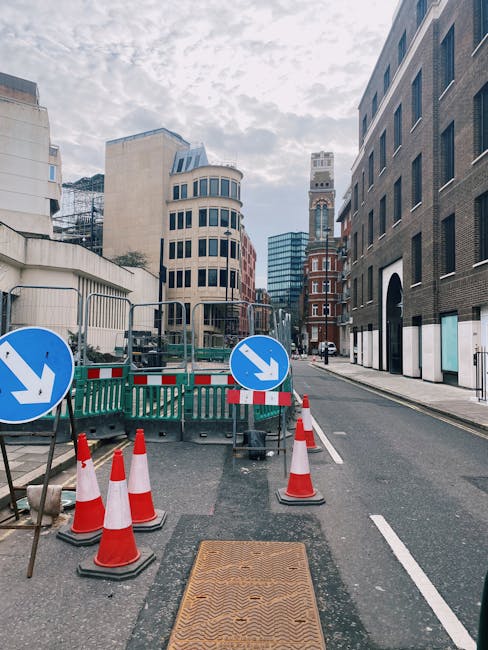
Marylebone is not the sort of place where you can casually place a skip and hope for the best. Streets can be narrow, loading is often tight, and a short obstruction can still disrupt residents, trades, deliveries, or passing traffic. That is why clearance planning has to be done with care, especially where a skip may sit on a public road or where work affects the pavement or carriageway.
The practical issue is simple: if your clearance touches the public highway, you may need permission, traffic management, or at least a proper access plan. If you do not sort that out first, the job can stall before it starts. To be fair, most people only discover this when a vehicle cannot park, the crew cannot unload, or someone asks for paperwork they do not have.
There is also the neighbour factor. A skip in the wrong place can create noise, blocked sightlines, litter, and frustration on an already busy street. In a place like Marylebone, where residential buildings sit alongside shops, offices, and serviced apartments, those little frictions add up quickly. Clear rules reduce the drama. And that matters more than people think.
For anyone dealing with household junk, end-of-tenancy clear-outs, refurbishment waste, or office decluttering, the point is not just compliance. It is smooth logistics. If you want context on the wider Marylebone setting, the background in this Marylebone overview helps explain why access planning tends to be more delicate here than in a quieter suburban street.
How Skip permits and street works: Marylebone clearance rules Works
Think of the process in layers. First, you decide whether your clearance needs a skip, a wait-and-load vehicle, a man-and-van collection, or a full site clearance. Then you check where everything will happen: private property, forecourt, loading bay, pavement, or road. That location determines whether permission is needed and what kind of restrictions apply.
If the skip or vehicle stays entirely on private land, the process is usually simpler. But if part of the job uses public space, the rules change fast. A skip on the road typically involves a permit process. Street works, meanwhile, can cover anything from temporary obstruction to activities that affect the highway surface, access routes, or traffic movement. In practical terms, that can include placing barriers, using a skip lorry, or coordinating timing so you do not clash with other works nearby.
In Marylebone, one of the biggest issues is timing. Early mornings, school runs, business deliveries, and commuter traffic all compete for space. A clearance that looks straightforward on paper may be awkward in real life by 8:30 a.m. on a weekday. That is why experienced planners always check the site at the exact time of day the work will happen, not just the day itself. Little difference. Big impact.
It also helps to separate the actual waste removal from the access arrangement. You may be able to remove the waste legally and efficiently, but still need a separate decision on where the collection vehicle can stop. In many cases, the best solution is the one that spends less time on the street. That is where a careful comparison of methods becomes useful, which we will cover shortly.
Key Benefits and Practical Advantages
Getting the clearance setup right has a few obvious benefits, and a few that only show up once you have done it the hard way.
- Fewer delays: no last-minute cancellation because a skip cannot be placed safely.
- Lower disruption: neighbours, pedestrians, and businesses are less likely to complain.
- Cleaner compliance: the job is less likely to attract questions from enforcement teams or managing agents.
- Better budgeting: you avoid the common trap of arranging a clearance before understanding the access costs.
- Safer working conditions: fewer awkward lifts, less rushing, and better positioning for the crew.
There is a less obvious advantage too: confidence. Once the permit or street access plan is in place, everyone works more calmly. The team knows where to park, the client knows what will happen, and the removal itself tends to run faster. Sounds simple, but in a tight Marylebone street, calm planning is worth its weight in gold.
For landlords and letting agents, a tidy, permitted clearance can also protect the state of the property and the common areas. That can matter at turnover time, especially if you are following up with end-of-tenancy cleaning support or planning wider reset work after a tenant leaves.
Who This Is For and When It Makes Sense
This topic is not just for builders. In Marylebone, the people who need to think about skip permits and street works are often the ones least expecting to deal with them.
- Homeowners clearing out after renovations or a long-overdue declutter.
- Tenants moving out and needing to dispose of bulky items responsibly.
- Landlords dealing with end-of-tenancy clearances, abandoned belongings, or refurbishment waste.
- Office managers replacing furniture or clearing archived materials.
- Facilities teams coordinating works in mixed-use buildings.
- Contractors planning jobs that need road-side loading or short-term access control.
When does it make sense to choose a more formal route? Usually when the waste volume is too big for regular bins, when items are bulky or heavy, or when access is tight enough that a vehicle cannot safely stop nearby. If you are dealing with awkward items such as wardrobes, broken shelving, old carpets, or office desks, planning becomes more than a nice-to-have. It becomes the job.
There is also the "we only have a day" scenario. Everyone has been there. The flat needs to be empty by tomorrow, the keys are due back, and the staircase is already cluttered with bags. In that moment, a rushed approach is expensive. It is much better to pause, work out whether the load can be removed without a skip, and then choose the least disruptive route.
If your clearance is tied to wider property preparation, it can help to think alongside related local issues such as waste rules for Marylebone landlords and even practical moving-out details covered in this guide to avoiding hidden fees. Different topic, same principle: know the rules before the work starts.
Step-by-Step Guidance
Here is the simplest way to plan a clearance in Marylebone without tripping over the usual problems.
- Assess the waste properly. Separate general waste, bulky items, recyclable materials, and anything that may need special handling.
- Check the access point. Measure the street width, note pavement constraints, and look for loading restrictions or parked cars that may block the plan.
- Decide the removal method. Ask whether a skip, wait-and-load, man-and-van, or staged collection is the cleanest fit.
- Confirm whether public space is involved. If the vehicle or skip will use the road or pavement, treat that as a permit question early, not late.
- Build in timing. Avoid peak traffic windows where possible, especially around schools, delivery periods, and high footfall times.
- Protect the property. If the clearance is taking place after cleaning or decorating, plan floor and wall protection before anything heavy moves.
- Brief everyone involved. The cleaner, removals crew, contractor, or tenant all need the same plan. Surprises slow everything down.
- Keep the site tidy as you go. Small waste piles become hazards quickly. A bit of discipline here saves time later.
A useful habit is to take a quick photo of the frontage before the work begins. Not for drama, just for clarity. If something changes, or if there is a dispute about access, you have a clear record of the original setup. It is one of those small things that feels over-cautious until it absolutely is not.
And if the clearance is part of a bigger domestic reset, you may find it helpful to pair it with domestic cleaning support or a more targeted service such as carpet cleaning in W1 once the area is clear. Clearance first. Fine detail later. That order matters.
Expert Tips for Better Results
In our experience, the smoothest clearances in Marylebone are usually the ones with the least guesswork. A few practical habits make a real difference.
- Use the shortest legal street time possible. The less time a skip or vehicle sits out, the fewer objections you tend to get.
- Plan for neighbours, not just the client. A polite note or a quiet start time can prevent unnecessary complaints.
- Think vertically, not just horizontally. In tight streets, the issue is often headroom, tree branches, signage, and awnings, not just width.
- Split the clearance if needed. Two smaller collections may be easier than one huge one. Not always cheaper, but often smoother.
- Keep a contingency plan. If a loading bay is unavailable, have a fallback for a timed pickup or alternate stop.
One small but very real tip: if the job involves a furnished flat, work room by room rather than dumping everything into the hallway. Hallways in period buildings can be awkward, and once you create a bottleneck, the whole thing slows to a crawl. You can almost hear the sigh from the staircase.
For businesses, especially offices or mixed-use premises, a pre-arranged route for waste removal helps more than people expect. If you need broader operational support, you can also look at office cleaning in W1 as part of a post-clearance reset. That is not about the waste itself. It is about making the space usable again, quickly and neatly.
Common Mistakes to Avoid
Most problems in clearance planning are not dramatic. They are just avoidable.
- Leaving permits or access checks too late. This is the number one cause of knock-on delays.
- Assuming a private job never touches the public highway. A vehicle wheel on the kerb can be enough to create an issue.
- Underestimating the volume of waste. The room that looked half-empty on Wednesday somehow becomes a mountain on Friday.
- Forgetting about parking and loading conditions. In Marylebone, parking reality can change the whole plan.
- Mixing prohibited or awkward materials with ordinary waste. That can complicate removal and delay collection.
- Booking cleaning before clearance is complete. It sounds obvious, but people do it all the time.
Another mistake is choosing the cheapest solution without checking the street implications. Cheap can be fine, of course. But cheap and unworkable is just expensive with extra steps. If access is the real challenge, the quote needs to reflect that from the start.
And a small one that catches even organised people: not telling the building manager or concierge. In a managed block, one missed message can mean you turn up to a closed gate, a reserved bay, or a firm no. Then everyone has a slightly awkward morning. Nobody needs that.
Tools, Resources and Recommendations
You do not need a box full of specialist gear to manage a clearance well, but a few practical tools make everything easier.
- Measuring tape: for checking access width, vehicle clearance, and item dimensions.
- Phone camera: for documenting access points, obstructions, and finished condition.
- Simple room-by-room inventory: useful for planning how much needs to go and what should stay.
- Protective coverings: especially in hallways, lifts, and shared entrances.
- Clear labels or bags: to separate keep, donate, recycle, and dispose.
For planning support, it also helps to understand the wider service picture. A good starting point is the company services overview, which can help you see how clearance sits alongside cleaning, upholstery care, and related property prep work. If cost is a concern, pricing and quotes information is worth reviewing before you commit.
For households and landlords, the most practical pairing is often clearance plus a follow-up clean. If upholstery, carpets, or soft furnishings have picked up dust during the move, it can be worth adding upholstery cleaning or a full refresh once the route is clear. It is a much better end result than trying to clean around piles of debris.
Marylebone-specific living advice can also be useful if you are handling a long-term move or a busy flat-share turnover. The perspective in Marylebone living advice from residents gives a sense of the practical rhythms of the area. Not theory. Actual day-to-day reality.
Law, Compliance, Standards, or Best Practice
This is the section where people usually want a hard yes-or-no answer, but the honest response is more careful: compliance depends on the exact location, method, and impact of the work. If a skip or vehicle is on public highway space, you should treat that as a regulated issue. If the clearance affects pedestrian access, loading, or traffic flow, it may also trigger extra controls.
Best practice in Marylebone is to assume that anything involving the street should be checked before the job is booked. That means reviewing access restrictions, timing, resident access, and safety measures. It also means keeping the site tidy and not overfilling waste containers. Common sense helps here, but so does documentation. A clear plan protects everyone.
From a standards point of view, safe working matters more than shortcuts. Crews should avoid forcing heavy items through cramped entrances, and they should not create unnecessary trip hazards on pavements or in shared corridors. That is where proper sequencing comes in: clear, then move, then clean. Not the other way around.
If you want to understand a company's general duty of care, the pages on insurance and safety and health and safety policy are useful reference points. They do not replace legal checks, of course, but they do show the sort of attention a professional provider should be bringing to the job.
Options, Methods, or Comparison Table
Choosing the right clearance method often comes down to access, waste volume, timing, and how visible the work will be to neighbours and passers-by. Here is a straightforward comparison.
| Method | Best for | Strengths | Watch-outs |
|---|---|---|---|
| Skip on the street | Larger clearances with predictable waste volume | Can handle bulky loads; convenient for multi-room jobs | May require permit or access approval; visible on the street |
| Wait-and-load | Busy streets and short loading windows | No long-term obstruction; often better in tight areas | Needs good timing and rapid loading |
| Man-and-van collection | Smaller, mixed, or staged clearances | Flexible and quick; less street impact | May take more than one trip for larger jobs |
| Private-site skip | Properties with driveways, yards, or private courtyards | Usually simpler for compliance and access | Limited by available private space |
In a place like Marylebone, the safest answer is not always the biggest container. Sometimes the best method is the one that keeps you out of the traffic pinch points. A smaller, more agile approach can beat a large skip sitting awkwardly on a narrow road. Street works are much easier when there is less of them, if you see what I mean.
Case Study or Real-World Example
Imagine a flat near a busy Marylebone side street where a tenant has moved out after several years. The rooms are full of old furniture, boxes, broken shelving, and a few awkward items that cannot be left for ordinary collection. The first instinct is to book a skip and park it outside for the day. Simple, right?
Then the reality kicks in. The road is narrow. A delivery vehicle already uses the area in the morning. There is no easy place to leave a skip without affecting access. The building also has a shared entrance, which means any blocked pathway becomes a nuisance for neighbours fast.
In that situation, the better option is often a timed collection with a short loading window, combined with pre-sorting inside the property. The crew comes prepared, loads quickly, and clears the route before it becomes a problem. After that, the property can be cleaned and prepared for the next occupant without dragging rubbish through freshly cleaned rooms.
What changed the outcome? Not luck. Planning. The team checked the street layout, chose a method that fit the location, and avoided the "we'll sort it on the day" approach that usually ends in someone standing around with crossed arms. Frankly, the street was the boss here.
That same logic shows up in other Marylebone property situations too, which is why articles like Marylebone property market insights and buying property in Marylebone are relevant if you are managing improvements, move-ins, or turnover work. The property context shapes the clearance choice more than people expect.
Practical Checklist
Use this before you book anything.
- Have you listed every item that needs removing?
- Do you know whether any waste is bulky, heavy, or awkward?
- Have you checked if the work touches a road, pavement, or loading bay?
- Is there enough space for a skip, vehicle, or loading team?
- Have you chosen the right time of day to avoid peak disruption?
- Have you informed neighbours, building management, or the concierge where needed?
- Have you separated items to keep, recycle, donate, and dispose?
- Will the clearance happen before deep cleaning or decorating begins?
- Do you have a fallback plan if access is blocked on the day?
- Have you confirmed the provider's insurance, safety approach, and booking terms?
Tick those off and you are already ahead of most rushed clearances. Honestly, that alone avoids a surprising number of problems.
Get a free quote today and see how much you can save.
Conclusion
Skip permits and street works in Marylebone are not just admin details. They shape whether a clearance runs smoothly, respects the street, and finishes on time. The better you understand access, timing, and permit needs, the fewer surprises you will face on the day.
The main lesson is simple: plan for the street, not just the waste. In Marylebone, that difference can decide whether the job feels calm and controlled or messy and expensive. If you get the method right, the rest tends to follow. And when the route is clear, the whole property starts to feel manageable again. That is a good feeling, really.