Same-day emergency cleaning in Marylebone: quick solutions
Posted on 17/05/2026
When something goes wrong at home or in a workplace, the mess rarely waits for a convenient time. A burst pipe, a last-minute check-out, a guest spill before dinner, or a flat that needs to be presentable by this evening can suddenly turn into a proper headache. That is where same-day emergency cleaning in Marylebone: quick solutions comes in. The goal is simple: reduce damage fast, restore order, and stop a stressful situation from becoming a bigger one.
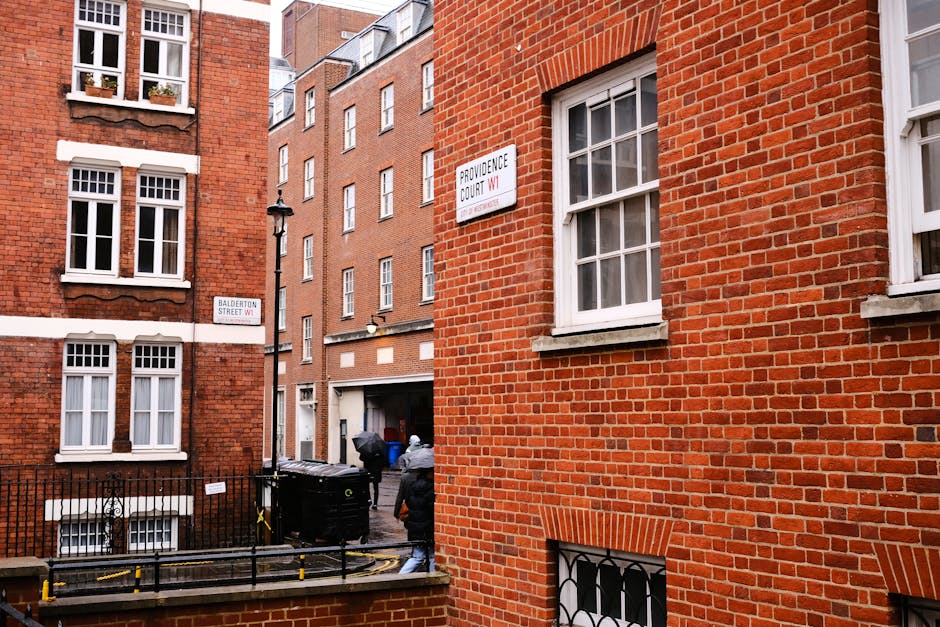
Marylebone has its own rhythm. Busy streets, managed properties, shared buildings, premium flats, short-let turnovers, offices near transport links - it all means urgent cleaning needs can crop up without much warning. This guide breaks down how emergency cleaning works, what to ask for, what to avoid, and how to choose the right response for your situation. There's a bit of judgement involved too, truth be told, because not every urgent clean is the same.
If you want more background on the local area and the way people live and work here, it can also help to read this overview of Marylebone in London and practical Marylebone living advice from residents. Those pages give a useful feel for the neighbourhood context around this kind of service.
Why Same-day emergency cleaning in Marylebone: quick solutions Matters
Urgent cleaning is not just about appearance. In many cases, speed changes the outcome. A wine spill on a cream sofa, a food stain on carpet, a blocked sink splash, or a post-party mess in a rental can all become harder to deal with if they sit for hours. Add London's pace, narrow schedules, and building access rules, and you can see why a same-day response matters.
In Marylebone, there's also a property-value angle. A smartly maintained flat, office, or guest property often needs to look cared for at very short notice. If you manage a rental, handle a move-out, or host guests, a quick intervention can protect your reputation as much as the surfaces in the room. That sounds dramatic, but it really isn't. People do notice the smell of stale spills, damp patches, and dust in corners.
Emergency cleaning also matters because it can help reduce the knock-on effects of an incident. A fast response may limit staining, stop odours setting in, and make later deep cleaning far easier. For landlords and agents, that can be the difference between a light refresh and a much heavier remedial clean.
For readers who are looking at the property side of Marylebone as well, Marylebone property market insights and buying property in Marylebone both give useful context. Clean, well-kept interiors and quick turnaround readiness are part of that picture, whether you're living in the property or letting it out.
Practical takeaway: if the mess is fresh, unstable, smelly, wet, or likely to stain, same-day cleaning is usually worth considering. The earlier you act, the easier the recovery.
How Same-day emergency cleaning in Marylebone: quick solutions Works
The process is usually more straightforward than people expect. You contact the cleaner, explain the problem clearly, and the team works out whether they can get someone out the same day. In a good setup, the booking is fast, the instructions are specific, and the clean is targeted rather than overcomplicated.
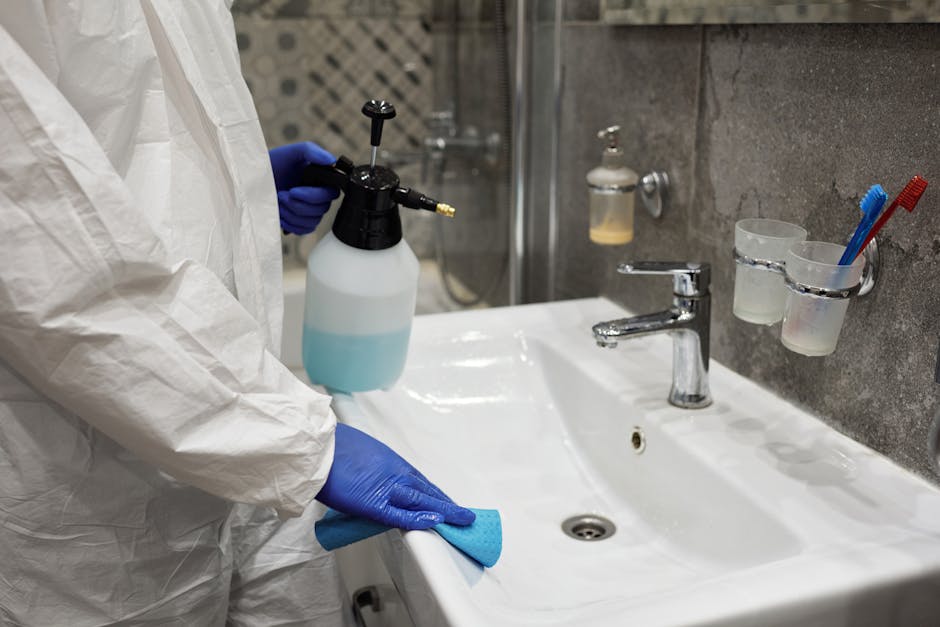
What happens next depends on the type of incident. A spill in one room is different from a full flat clean after a party, and a post-tenant turnover is different again. Emergency cleaning is often focused on the exact problem area first. That might mean stain treatment, odour control, surface sanitising, bathroom recovery, kitchen clean-down, or hoovering and dust removal after a messy incident.
In practice, same-day work tends to follow a simple pattern:
- Initial call or enquiry - you explain what happened, where it happened, and how urgent it is.
- Assessment - the cleaner decides what equipment, staff, and products may be needed.
- Arrival planning - access details, parking, entry instructions, and timing are confirmed.
- Targeted cleaning - the team tackles the priority area first, then any secondary mess.
- Final check - the result is reviewed so the space is usable again as soon as possible.
Sometimes the work is a quick rescue. Sometimes it becomes a more detailed clean because the space is bigger than first thought. And yes, that happens a lot. Someone rings about "a small spill" and it turns out the sitting room, hallway, and kitchen have all been hit by the same evening's chaos. Very human, really.
For urgent homes and rented properties, pairing emergency response with broader support can make sense too. Services such as domestic cleaning in W1, end of tenancy cleaning in W1, or office cleaning in W1 may be relevant depending on the situation. If you need a broader overview before deciding, the services overview is a sensible place to start.
Key Benefits and Practical Advantages
Same-day emergency cleaning offers more than convenience. It gives you control back when things feel messy, rushed, or a bit embarrassing. That emotional relief is not a small thing, especially if you're dealing with guests, a landlord, clients, or neighbours.
Here are the main advantages:
- Faster damage control - stains, spills, and odours are tackled before they settle deeper.
- Less disruption - the property becomes usable again sooner.
- Better presentation - important for inspections, arrivals, listings, and client-facing spaces.
- Reduced stress - you're not trying to solve a whole problem alone at 9pm.
- More efficient follow-up cleaning - early intervention often makes later work easier and cheaper.
There's also a subtle but important point: emergency cleaning is often about prioritisation. A skilled cleaner won't try to do absolutely everything in one pass if the clock is tight. They'll focus on what matters most first - the visible impact, hygiene risks, and anything likely to worsen. That is what makes the service useful. Not perfection. Just a proper solution, quickly.
For delicate surfaces and furniture, targeted support may also prevent avoidable wear. If the issue includes upholstered chairs, sofas, or fabric headboards, it may be worth looking at upholstery cleaning in W1. For carpets, the right response can help preserve fibres before a stain fully locks in, so carpet cleaning in W1 is a useful related option.
Who This Is For and When It Makes Sense
Not every cleaning issue is an emergency. A bit of dust after a busy week is not the same thing as a flooded bathroom or a room that smells strongly after a spill. Knowing the difference saves money and helps you get the right response.
This type of cleaning makes sense for:
- Tenants who need to recover a flat after an accident, guest visit, or last-minute inspection.
- Landlords and letting agents who need a property presentable fast between occupancies.
- Homeowners dealing with spills, mess from visitors, or unexpected disruption.
- Office managers handling an urgent clean after an event, spill, or client-facing incident.
- Hosts and short-let operators with a same-day changeover deadline.
- People preparing for a special occasion where the space simply needs to look right by tonight.
There's a useful local angle here too. Marylebone properties are often highly presentable spaces with compact layouts, quality finishes, and shared entrances that need a bit of care. If you are handling a flat near busy attractions or transport hubs, even a small mess can feel bigger because there's less time and space to hide it. The article on cleaning tips for Marylebone tenants near Madame Tussauds is especially relevant if you live in a high-footfall part of the area.
One small but real-world observation: if you're hesitating and wondering whether it's "bad enough," it usually helps to ask one question - will this be harder to fix in four hours? If the answer is yes, same-day help probably makes sense.
Step-by-Step Guidance
If you need quick solutions, do not overthink the first 10 minutes. The most useful thing is clear information and a calm, practical sequence. Here's a simple approach.
1. Assess the problem area quickly
Identify the affected rooms, surfaces, and materials. Is it carpet, tile, wood, fabric, glass, or a mix? Is the issue dry, wet, sticky, greasy, or odorous? This matters because cleaning methods change depending on the surface.
2. Stop the spread if you safely can
If a liquid spill is spreading, blot it gently with a clean cloth. If there's a broken item, clear it carefully. If water is involved, turn off the source if you know how to do that safely. Don't scrub aggressively. That often makes things worse, annoyingly enough.
3. Call and describe the issue plainly
Give the cleaner the essential facts: location, size of the mess, access constraints, and what time you need the property usable again. A clear description helps them decide what to bring and whether the job is realistic within the day.
4. Prepare the space for access
Move small items out of the way if you can, make parking or entry instructions clear, and keep pets or children away from the area being treated. In a building with concierge access or timed entry, one missed message can cause a delay. London, eh?
5. Prioritise the most visible and risky areas
If the cleaner has a limited time window, ask them to focus on what matters most. That might be the hallway, bathroom, kitchen, carpet stain, reception area, or sofa. Good emergency cleaning is about triage, not just elbow grease.
6. Check the result against your immediate need
Once the urgent problem is handled, review the room from the perspective that matters. Can a guest enter? Can a tenant hand back keys? Can staff use the office safely? That's the real benchmark.
Expert Tips for Better Results
The best emergency cleaning outcomes usually come from preparation and restraint. You do not need to do everything yourself before the team arrives, but a few smart actions can improve the result quite a bit.
- Act fast on spills - the first hour often matters more than people realise.
- Use gentle blotting, not rubbing - especially on carpets and upholstery.
- Keep the cleaner informed - if there is a stain type, say so. Coffee, wine, grease, ink, pet mess, and bathroom residue all behave differently.
- Be honest about the scale - underplaying the mess usually leads to the wrong setup.
- Ask what can be salvaged - sometimes a surface can be recovered, sometimes not. Better to know early.
- Think ahead to the next 24 hours - ventilation, drying time, and access all matter after the initial clean.
One simple expert habit: keep a small emergency cleaning kit in the property. Nothing fancy. A few microfibre cloths, disposable gloves, mild detergent, paper towels, and a bin bag or two. It's hardly glamorous, but it helps. And yes, people always mean to buy these things later.
Where trust and safety matter, it is sensible to choose a provider that can explain how they work and what standards they follow. A company's insurance and safety information should make you feel clearer, not more confused. If it doesn't, that's a bit of a flag.

Common Mistakes to Avoid
People often make the situation worse because they're stressed and trying to move quickly. Fair enough. But a few common errors can make stain removal or recovery harder.
- Waiting too long - dried spills, settled odours, and deepening stains are harder to manage.
- Using harsh products on the wrong surface - bleach on the wrong material can cause damage faster than the original mess.
- Scrubbing fabric aggressively - this can spread the stain and distort fibres.
- Ignoring odour sources - a surface can look fine and still smell unpleasant.
- Assuming one product works for everything - it usually doesn't.
- Booking too late for the deadline - if a key handover is at 5pm, calling at 4:30pm is not ideal, let's face it.
Another mistake is asking for "a quick tidy" when the issue is actually more complex. If there's contamination, damp, or a significant spill, the cleaner may need to treat it as a technical job rather than a cosmetic one. That's a good thing. Precision beats guesswork.
For landlords and tenants working to a move-out schedule, it can also help to review end of tenancy cleaning in W1 alongside the emergency fix. Sometimes the urgent clean is only step one.
Tools, Resources and Recommendations
Emergency cleaning is much more effective when the right tools are used for the right surface. Here's a practical overview of what usually helps and why.
| Situation | Useful approach | Why it helps |
|---|---|---|
| Fresh spill on carpet | Blotting, spot treatment, controlled moisture | Reduces spread and helps prevent set-in staining |
| Odour after an incident | Source removal, cleaning, ventilation | Targets the cause instead of masking it |
| Kitchen mess | Degreasing, surface wipe-down, sanitising | Removes grease and improves hygiene quickly |
| Bathroom issue | Disinfection, limescale removal, drying | Restores usability and presentation |
| Post-event clean | Waste removal, vacuuming, surface reset | Gets the property back to normal fast |
When choosing a cleaner, useful supporting pages can tell you a lot about how the service is run. For example, about the company helps you understand the team, while pricing and quotes is helpful if you need a quick budget check. If you're comparing options, that combination is often better than guessing from a single phone call.
In some cases, it makes sense to pair emergency cleaning with a broader maintenance plan. A busy flat might need house cleaning in your area afterwards, especially if the urgent job reveals that the property needs a more regular rhythm. Not glamorous, perhaps, but very effective.
Law, Compliance, Standards, or Best Practice
Emergency cleaning is a practical service, but it still sits inside a wider framework of safety, consent, access, and responsible working. You do not need to be a legal expert to use it well, but a few best-practice points matter.
First, access to a property should always be authorised. That sounds obvious, yet in urgent situations people sometimes assume a neighbour, concierge, or colleague can "just let someone in." In reality, the right permissions and clear instructions avoid disputes later. For shared buildings in Marylebone, this is particularly relevant.
Second, cleaners should work in line with sensible health and safety practice. That means using appropriate products, handling waste carefully, and taking care around wet floors, broken glass, or electrical risks. If a situation looks beyond normal cleaning - for example, visible structural damage, severe contamination, or suspected hazardous conditions - a specialist response may be needed instead of a standard clean.
Third, fair communication matters. A reputable service should explain what they can and cannot do, what the likely result is, and whether a same-day clean will be a full restoration or just the first stage. That kind of honesty is a good sign. It saves everybody time.
If you want to understand the company's broader responsibilities and service approach, it can be worth reviewing the health and safety policy, terms and conditions, payment and security information, and privacy policy. Those pages don't make a cleaning job exciting, obviously, but they do build confidence.
There is also a practical customer-service angle. If a problem does arise, you should know how it will be handled. A clear complaints procedure is part of a trustworthy setup, not a boring extra.
Options, Methods, or Comparison Table
Not every urgent mess needs the same kind of response. Sometimes a targeted clean is enough. Sometimes you need a wider reset. The right choice depends on the property, the timeframe, and the kind of damage involved.
| Option | Best for | Strengths | Limitations |
|---|---|---|---|
| Targeted spot clean | Single spill, stain, or isolated mess | Fast, focused, usually the most efficient | Won't solve wider clutter or room-wide dirt |
| Emergency whole-room clean | Post-incident presentation issues | Restores a room to a usable state quickly | Less detailed than a deep clean |
| Emergency flat or office refresh | Visitors, agents, handovers, events | Great for first impressions and turnover speed | May need follow-up detailing later |
| Specialist carpet or upholstery treatment | Fabric stains, odours, or heavy use | More effective on porous materials | Needs more drying time in some cases |
The honest answer is that the best method is the one that solves the actual problem, not the one that sounds biggest. A lot of urgency gets wasted on over-ordering. Sometimes a precise intervention does the trick. Sometimes you need the bigger reset. Slightly dull answer, but true.
Case Study or Real-World Example
Picture a Marylebone flat on a Friday afternoon. The tenant has guests arriving at 7pm, but a drink spill has left a pale carpet patch near the sitting room entrance. There's also a bit of muddy foot traffic from the hallway and a kitchen bin that needs clearing. Nothing dramatic, yet the flat no longer feels welcoming.
In that kind of situation, the clean needs to be practical and immediate. The first step would be to identify the stained area, treat the carpet carefully, wipe the entrance surfaces, clear the waste, and make the kitchen smell neutral again. If the cleaner has time, they may also freshen the bathroom and check the main touchpoints - switches, handles, and counters.
What makes the difference here is not a miracle product. It's sequencing. The visible problem gets handled first, then the space gets reset enough for people to walk in without noticing the incident. That is usually the standard clients are really after: not perfection, just relief.
A similar pattern applies in offices. Say a client area gets marked up before an important meeting. A same-day response can remove the stain, tidy the reception area, and restore a calm first impression. In a district like Marylebone, where image and practicality often meet, that matters more than people say out loud.
For businesses, it may also be helpful to look at office cleaning in W1 as a follow-up once the immediate issue is under control.
Practical Checklist
Use this quick checklist before and during your same-day booking. It keeps things simple when your head is elsewhere.
- Identify the exact problem area.
- Note the surface type: carpet, fabric, tile, wood, stone, glass, or mixed.
- Estimate how large the mess is.
- Explain whether it is wet, dry, greasy, sticky, or odorous.
- Share the urgency: guest arrival, inspection, handover, meeting, or family use.
- Confirm access details and any building restrictions.
- Move loose items out of the way if safe to do so.
- Keep pets, children, and bystanders away from the area.
- Ask what outcome is realistic within the time available.
- Check whether follow-up cleaning will be needed after the same-day visit.
Expert summary: the best emergency cleaning is fast, clear, and targeted. If you explain the issue well, respond quickly, and focus on the surfaces that matter most, you give yourself the best chance of a genuinely useful result.
Conclusion
Same-day emergency cleaning in Marylebone is really about one thing: getting life back on track without drama. A spill, a sudden mess, or a last-minute property issue can feel overwhelming in the moment, but the right response is usually straightforward. Act quickly, describe the problem clearly, and choose a service that treats the situation with care as well as speed.
In a neighbourhood like Marylebone, where homes, rentals, and workspaces often need to look sharp at short notice, quick cleaning solutions are more than a convenience. They are part of keeping things moving, calmly and properly. And that calm matters. A lot, actually.
If you are comparing options or planning for an urgent clean, take a minute to review the wider service details, ask the right questions, and pick the approach that fits the mess rather than the marketing. That is usually the smartest move.
Get a free quote today and see how much you can save.
Sometimes the best repair is simply a clean, quiet restart. That's a decent thing to have waiting when the day goes sideways.