End-of-tenancy mould and damp fixes for Marylebone rentals
Posted on 10/06/2026
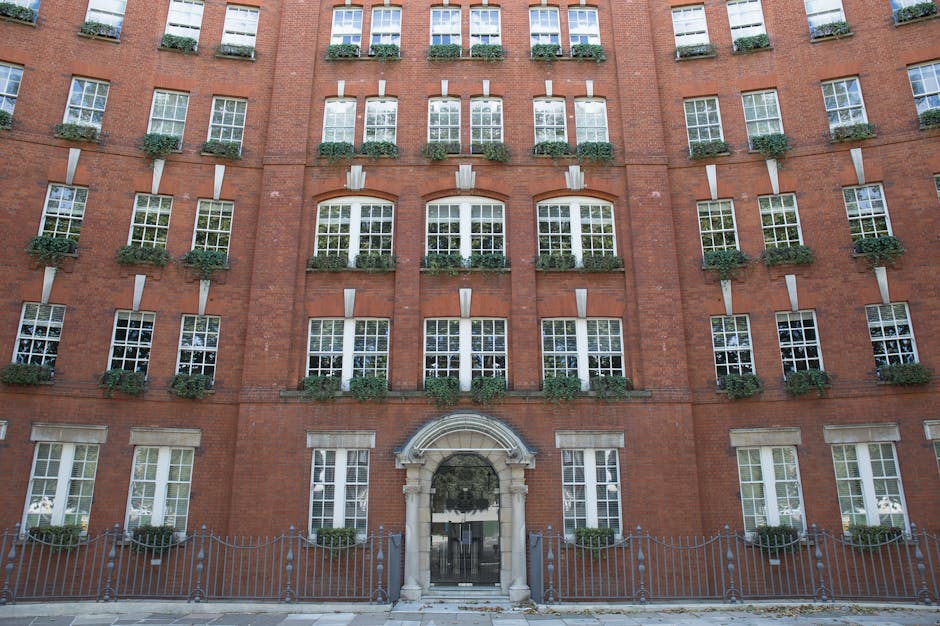
If you are handing back a flat in Marylebone and you have spotted mould on a window reveal, a musty patch behind a wardrobe, or a damp mark in the bathroom, you are probably already feeling the pressure. End-of-tenancy mould and damp fixes for Marylebone rentals are not just about making a place look presentable. They are about protecting your deposit, avoiding disputes, and leaving the property in a condition that feels properly cared for.
Marylebone homes can be lovely, but many are older buildings with solid walls, busy communal ventilation, and the usual London mix of cold weather, condensation, and everyday living. That combination can create the sort of damp issue that creeps up quietly and then shows itself right when you are due to move out. This guide walks you through what really matters, what can be fixed quickly, and when it is wiser to call in help before the final inspection.
Why end-of-tenancy mould and damp fixes matter
At the end of a tenancy, mould and damp are rarely treated as a cosmetic issue. They can raise questions about cleanliness, ventilation, maintenance, and sometimes even cause arguments about who was responsible in the first place. In a place like Marylebone, where rental properties often move quickly and expectations are high, even a small black mould spot can dominate an inventory report. Annoying? Absolutely. But also very normal.
There is also the practical side. Damp smells linger. They make rooms feel neglected. If the windows were kept shut through a wet winter, or a bathroom extractor has been weak for months, the signs usually show up at the worst possible time: behind curtains, inside fitted wardrobes, on silicone seals, or around a cold corner in a north-facing room. To be fair, a lot of tenants only notice the extent of the problem when they start pulling furniture away for moving day.
Marylebone rentals often sit in period conversions, basement flats, and compact upper-floor homes where air circulation is not always generous. That means condensation can build quickly. One boiling kettle, one long shower, one drying rack in the living room, and suddenly you have moisture sitting on colder surfaces. If it is left alone, it becomes staining, odour, and visible growth. Nobody wants that at checkout.
For landlords and tenants alike, tackling it properly matters because the issue can affect habitability, valuation, and trust. If you want a cleaner, calmer move-out, this is one area where quick patching is not enough. The fix needs to be believable, tidy, and suited to the room, not just sprayed over and hoped for.
How end-of-tenancy mould and damp fixes work
The process usually starts with identifying the type of problem. Condensation mould is common around windows, ceilings, and bathroom surfaces. Penetrating damp may show as a damp patch linked to an outside wall or water ingress. Rising damp is less common in many rented homes than people assume, but it does appear in older properties and needs a more careful assessment. The point is simple: different causes need different fixes. Same stain, different story.
For a move-out clean, the immediate aim is to remove visible growth, reduce musty smell, and leave surfaces dry and presentable. The deeper aim is to stop the issue reappearing before inspection or handover. That may involve cleaning mould from tiles, treating affected grout, improving airflow, drying hidden moisture, wiping down window frames, and dealing with any staining on paint or sealant.
In real life, this is often a layered job. A bathroom may need limescale removal, mould treatment, and a dry wipe-down. A bedroom corner may need furniture moved, the wall checked for cold bridging, and the fabric or wallpaper cleaned carefully. A wardrobe area may need ventilation, a moisture check, and time for the air to circulate. It is never just one spray and a wipe. If only it were that easy.
For end-of-tenancy purposes, a thorough approach should always include the surrounding area too. Inspectors notice the edges: the bottom of a window frame, the underside of a sill, the line behind a radiator, the top of a shower screen, the inside lip of a washing machine seal. These are the places where mould likes to hide in plain sight.
Key benefits and practical advantages
Good mould and damp fixes do more than improve appearance. They help the tenant hand back a property in a condition that feels complete, and they help the landlord see that the home has been treated with care. That can reduce friction and make the checkout process less stressful. Which, let's face it, is worth a lot when you are juggling removals, cleaning, key returns, and maybe a bit of last-minute panic.
- Better deposit outcomes: visible mould and lingering damp smells are common reasons for deductions or follow-up questions.
- Cleaner final presentation: fresh-looking seals, tiles, frames, and corners make the whole flat feel more move-in ready.
- Lower chance of reoccurrence: treating the cause, not just the mark, helps avoid the same issue appearing again before inspection.
- Improved air quality and comfort: a dry, well-ventilated room simply feels healthier and more pleasant.
- Less back-and-forth with the landlord or agent: a well-documented fix is easier to explain than a visible patch with no context.
There is also a commercial side for hosts, landlords, and managing agents. A property that looks cared for relets more smoothly. If the place has already been through a proper end-of-tenancy clean, perhaps alongside professional carpet care in W1 or upholstery cleaning for fabric furnishings, the whole home reads as better maintained. Small detail, big effect.
Who this is for and when it makes sense
This topic is for tenants moving out of Marylebone flats, landlords preparing for reletting, and agents trying to keep checkouts tidy and predictable. It also applies to sharers, short-let operators, and anyone who has discovered a damp patch the week before keys are due back. That timing is classic, by the way. Mould seems to wait for the busiest week of the month.
It makes sense to act when you notice:
- black spotting on silicone or grout
- musty odour in a closed room
- water staining on an internal wall or ceiling
- condensation running down the inside of windows
- flaking paint near a bathroom, kitchen, or external wall
- softness, bubbling, or discolouration in a wall finish
If the issue is minor and surface-level, it may be manageable within a normal pre-move clean. If it is spreading, returning quickly, or linked to an obvious leak, it needs a more careful response. In Marylebone homes, especially older ones, that judgment call matters. One tiny patch in the corner can turn out to be a bigger airflow problem. Or nothing serious at all. The trick is not guessing.
For readers exploring the area more broadly, our local pieces on Marylebone's appeal in London and living advice from residents give helpful context on the kinds of homes people actually rent here. That context helps explain why damp issues often look different from one street to the next.
Step-by-step guidance
If you want a practical route through the problem, this is the most reliable way to handle it before checkout. Keep it simple, keep it dry, and do not rush the drying stage. That last bit is where people get caught out.
- Inspect every likely damp zone. Check bathroom corners, around window frames, behind beds, wardrobes, sofas, and any external wall. Use daylight if possible, or a bright torch in the early evening when shadows make staining easier to see.
- Identify whether the issue is surface mould or damp damage. Surface mould usually sits on top of paint, sealant, or tile grout. Damp damage may show as bubbling, peeling, or a tide mark. If the wall feels cold and slightly soft, slow down and assess properly.
- Ventilate the room before cleaning. Open windows, switch on extractor fans, and let air move through the space. This sounds basic because it is basic, and it helps more than people think.
- Clean visible mould safely. Use appropriate cleaning products for the material in question, and avoid over-wetting porous surfaces. Scrub gently where needed. On delicate paint or older plaster, test a small hidden patch first.
- Dry thoroughly. Wipe surfaces dry, leave cupboard doors open where relevant, and allow time for airflow. In a basement flat or a heavily sealed room, this can take longer than you expect.
- Treat lingering odour and residue. A clean room can still smell damp if hidden moisture remains in textiles, skirting edges, or under furniture. Make sure fabrics, mats, and soft furnishings are dry too.
- Repair the visible finish. Refresh sealant if it is stained and failing, touch up paint only after the area is clean and dry, and replace any damaged caulk where appropriate.
- Document what was done. Photos before and after are useful, especially if the issue may be discussed at checkout. Simple, dated images help keep things calm.
If the room has carpets or upholstered items affected by moisture or smell, it may be worth pairing the mould fix with broader cleaning support such as end of tenancy cleaning in W1 or a targeted service from the wider services overview. That way the result looks consistent, not half-done in one corner and immaculate in another.
Expert tips for better results
A lot of the difference between an acceptable repair and a great one comes down to small details. The kind people only notice when they are standing in the room with the inventory form in one hand and a mildly sceptical expression on their face.
Work from the cause outward. If the mould keeps returning, do not just keep wiping the same patch. Check the airflow, the heating pattern, and whether furniture is pressed tight to a cold wall. In Marylebone flats, tight layouts often trap air in exactly the wrong places.
Be careful with over-cleaning porous finishes. Aggressive scrubbing can damage paint, plaster, or sealant and make the area look worse. Gentle, repeated cleaning is usually better than one harsh attempt. Not glamorous, but effective.
Use furniture spacing smartly. Even after the tenancy, moving a wardrobe or bed away from an external wall can reveal hidden staining. It is a simple trick, though people often forget it until they hear that little "oh" from the inspector.
Don't ignore adjacent fabrics. Curtains, cushions, mattresses, and rugs can hold a faint damp scent long after the wall looks fine. If soft furnishings are involved, a separate treatment or deep clean may be needed. Our upholstery cleaning page is a useful reference point for that kind of follow-up work.
Check the room after it has dried. Reinspect it in daylight the next morning. What looked acceptable at 6pm can look very different when the sun lands on it at 9am. Slightly unforgiving, but useful.
Expert summary: The best end-of-tenancy mould fix is not the one that looks impressive for five minutes. It is the one that cleans well, dries properly, holds up under daylight, and leaves no obvious question marks for the checkout inspection.

Common mistakes to avoid
There are a few habits that make mould and damp much harder to deal with than they need to be. Truth be told, most of them happen when people are in a hurry.
- Painting over damp: if the wall has not fully dried, the finish usually fails again.
- Ignoring the smell: visible mould may be small, but a persistent musty smell can still raise issues.
- Cleaning without ventilation: trapped moisture makes the problem worse and slows drying.
- Using too much water: this can drive moisture deeper into the surface.
- Forgetting hidden areas: behind furniture, under sills, and around pipework are classic miss points.
- Leaving sealant damaged: stained or lifting silicone rarely passes a close look.
- Not reporting obvious leaks: if there is active water ingress, do not pretend it is just a cleaning issue.
One other mistake: assuming all damp looks dramatic. It does not. Sometimes it is just a faint ring, a little patch of discolouration, or a recurring window condensation line. Quiet problems can still become expensive ones if left alone.
Tools, resources and recommendations
You do not need a warehouse of equipment to handle most end-of-tenancy mould and damp fixes, but the right basics make life easier.
| Tool or item | What it helps with | Why it matters at move-out |
|---|---|---|
| Microfibre cloths | Wiping surfaces dry and lifting residue | They reduce streaks and help finish surfaces neatly |
| Soft brush | Cleaning grout and seals | Useful for detail work without roughing up finishes |
| Gloves and mask | Basic protection during cleaning | Helpful when dealing with visible growth or dusty corners |
| Fan or steady airflow | Drying cleaned areas | Faster drying means less lingering smell and less risk of repeat damp |
| Bright torch | Spotting marks and hidden staining | Good for checking behind furniture and along window edges |
| Neutral cleaning solution suited to the surface | Removing mould and grime | Helps avoid damage to paint, tile, or sealant |
If the property needs a fuller reset before handover, it can also make sense to look at domestic cleaning in W1 or, for cross-room support, pricing and quote information so you can plan the job properly rather than guessing. Small point, but it saves a lot of back-and-forth.
For Marylebone-specific reading, the local guides on property market insights and buying property in Marylebone are useful if you want to understand why condition standards are often so closely watched here.
Law, compliance, standards, and best practice
For tenancy work in the UK, the big principle is straightforward: both sides should act reasonably and keep proper records. I am being careful with wording here because tenancy situations can vary, and the exact duty often depends on the lease, the condition of the property, and whether the issue was caused by tenant behaviour, building defects, or simple wear and tear.
In practice, end-of-tenancy mould and damp fixes should be handled in a way that is safe, transparent, and evidence-based. If there is an active leak, a structural fault, or a repeated damp pattern, that is not only a cleaning matter. It may need reporting and repair. If the problem is surface mould caused by condensation, the cleaner should still treat it properly and avoid making claims that go beyond what was actually done.
Best practice usually includes:
- keeping the area ventilated during and after cleaning
- using suitable products for the surface
- avoiding damage to paint, sealant, or plaster
- recording before-and-after condition where possible
- raising any signs of active leaks rather than hiding them
If a tenancy agreement, inspection report, or inventory includes specific cleaning standards, those should be followed carefully. For service expectations, it is also sensible to review a company's trust pages such as about us, insurance and safety, and health and safety policy. They help you judge whether the work is being handled responsibly.
And yes, if anything feels disputed, there are formal routes too. Pages like the complaints procedure, terms and conditions, privacy policy, and payment and security are useful for understanding how a service operates before you commit. A boring read, maybe. Still worth it.
Options and methods comparison
Not every mould or damp problem needs the same level of intervention. This comparison should help you decide what is sensible for a Marylebone rental at checkout.
| Method | Best for | Pros | Limits |
|---|---|---|---|
| Surface clean and dry-down | Light mould on tiles, seals, or frames | Fast, practical, low disruption | Won't solve structural or recurring damp |
| Deep end-of-tenancy clean | Multi-room properties with several affected areas | Better overall presentation and consistency | May still need targeted repair work for active sources |
| Targeted treatment with repaint or reseal | Stained corners, damaged silicone, minor cosmetic damage | Improves visual finish and checkout readiness | Needs time to dry properly |
| Professional support for carpets or upholstery | Musty textiles, water marks, damp smell in soft furnishings | More complete result across the property | May not be needed for every case |
| Maintenance reporting | Leaks, persistent cold spots, repeating damp | Addresses the underlying cause | Usually not a quick cosmetic fix |
As a rule of thumb, if the issue is small and clearly surface-level, a clean plus dry finish may be enough. If it keeps returning, the smarter move is to document it and escalate the underlying cause. Do not keep polishing the same patch like it owes you money.
Case study or real-world example
A one-bedroom Marylebone rental we might imagine here has a damp smell near the bedroom window and black spotting around the bathroom seal. Nothing dramatic, but enough to catch attention during checkout. The tenant has two days left, a removal van booked, and a fridge full of cleaning products that were bought in a hurry. Classic scene.
The fix begins with opening windows for airflow and moving the bed away from the external wall. Once the room is aired, the window frame is cleaned, the bathroom seal is treated, and the affected corners are dried thoroughly. The tenant then notices that the musty smell is actually stronger near the wardrobe back panel, so the wardrobe is moved and the wall behind it is checked. There is a condensation mark there too. Not huge, but enough to justify a more careful dry-out.
Next comes the practical part: the sealant is made presentable, the paint edge is left alone because it is already sound, and the carpet edge nearby is checked for odour. Because the soft furnishing in the room has held a bit of moisture smell, the tenant combines the repair with broader finishing work from a service like end-of-tenancy cleaning and, where needed, carpet cleaning. The room does not look newly built. It just looks properly looked after. Which is really the point.
The important lesson? The visible fix was only part of the job. The result held because airflow, drying, and hidden surfaces were also addressed. That is the difference between a quick patch and a checkout-ready finish.
Practical checklist
Use this quick checklist when you are preparing a Marylebone rental for end of tenancy and mould or damp has appeared.
- Check all windows, window boards, and corners for condensation marks
- Inspect bathroom seals, grout, and extractor areas
- Move furniture away from external walls before cleaning
- Identify whether the issue is surface mould, damp staining, or both
- Open windows and improve airflow before any cleaning starts
- Clean the affected area with the right product for the surface
- Dry the area fully, then check again in daylight
- Look behind wardrobes, beds, and sofas for hidden marks
- Refresh damaged sealant or note where repairs are needed
- Take before-and-after photos for your records
- Report any signs of leaks or repeated damp to the relevant party
- Leave the room smelling fresh, not perfumed-over and suspicious
If you are short on time, focus on the bathroom, bedroom windows, and any room with a colder external wall. Those are the usual trouble spots. Not always, but often enough.
Get a free quote today and see how much you can save.
Conclusion
End-of-tenancy mould and damp fixes for Marylebone rentals are about more than hiding marks before a checkout. They are about understanding what caused the problem, dealing with the visible signs, and leaving the property dry, fresh, and easy to inspect. In a neighbourhood where rental standards are often high and buildings can be characterful in the old-school sense, the little details matter more than people expect.
If you take one thing from this guide, let it be this: treat mould and damp as a practical problem, not a panic problem. Inspect carefully, dry properly, clean with judgement, and document what you did. That approach saves stress, time, and awkward conversations. And honestly, it makes move-out day feel a lot less like a scramble.
Marylebone rentals deserve careful finishing, not rushed cover-ups. Do it well, and the flat leaves a better impression than it arrived with. That is a pretty good way to close the chapter.