Health and Safety Policy for Cleaners W1
 Our health and safety policy for cleaners W1 is designed to support safe, consistent, and responsible working practices across all cleaning tasks. It sets clear expectations for protecting staff, clients, visitors, and property while delivering reliable cleaning services. This policy applies to routine cleaning, deep cleaning, and specialist tasks carried out in different environments.
At the heart of our cleaners W1 health and safety approach is the belief that risk prevention should be built into every job. Cleaning work can involve slips, trips, manual handling, chemicals, electrical equipment, and exposure to potentially harmful substances. By planning carefully and following safe systems of work, cleaners can reduce avoidable incidents and work more confidently.
 All cleaning operatives are expected to follow the policy at all times and to work in a way that protects themselves and others. This includes using suitable equipment, reporting hazards promptly, and wearing the correct protective items when required. A strong safety culture helps ensure that the cleaner health and safety standards remain practical, effective, and easy to follow.
The company provides training and supervision so that every cleaner understands safe working methods. Training covers correct lifting techniques, chemical awareness, equipment use, emergency procedures, and how to identify unsafe conditions. Refresher sessions are arranged when needed to make sure the W1 cleaners safety policy remains current and relevant.
Before starting any task, cleaners should assess the area and check for obvious risks such as wet floors, damaged flooring, blocked exits, or exposed hazards. If a risk cannot be controlled immediately, the task should be paused and reported. This proactive approach is essential in any commercial cleaning health and safety policy, because many incidents can be avoided through early observation and prompt action.
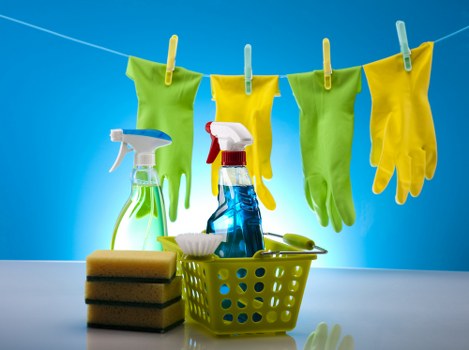 Cleaning chemicals must be stored, handled, and used in line with their instructions. Products should never be mixed unless specifically authorised, and containers must be clearly labelled. Where necessary, cleaners should use gloves, eye protection, or other appropriate equipment to reduce exposure. These precautions are a key part of a safe cleaning policy for W1 teams and help maintain a secure working environment.
Equipment must be checked before use and kept in good condition. Cables, plugs, mop handles, vacuum cleaners, and other tools should be inspected for damage, and any faulty item must be taken out of service. Using well-maintained equipment supports the overall cleaning operative safety policy and helps prevent injuries caused by malfunction or misuse.
Manual handling is another important area of control. Cleaners may need to move bins, carry supplies, or lift items while completing their duties. Loads should be assessed before lifting, and heavy or awkward objects should be moved with assistance or mechanical support where possible. Safe posture, controlled movement, and sensible load limits are central to a responsible health and safety policy for cleaning staff.
Work areas should be kept tidy during and after cleaning. Cables, tools, and waste bags should not be left where they could create a trip hazard. Wet-floor signs and other warning measures should be used whenever surfaces are slippery. Good housekeeping is a simple but highly effective control measure within the cleaners health and safety framework.
When cleaning in occupied environments, consideration must be given to people nearby. Clear communication, controlled access to work areas, and careful timing of tasks all help minimise disruption and reduce risk. Cleaners should avoid leaving equipment unattended in busy spaces and should always respect the needs of others while working.
Personal protective equipment must be used when identified as necessary for the task. This may include gloves, aprons, masks, or eye protection depending on the nature of the work and the materials involved. PPE should be selected correctly, worn properly, and replaced when damaged. The aim of the W1 cleaners health and safety policy is not only compliance, but also practical protection that fits the job.
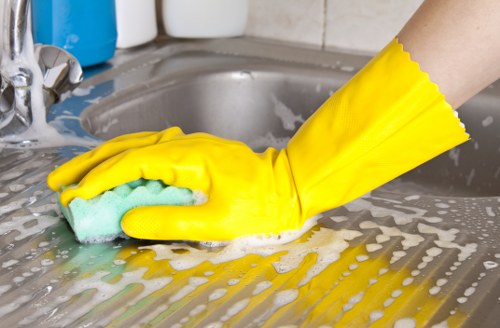 Emergency procedures must be understood by all staff. If there is a spill, injury, fire alarm, or other urgent situation, cleaners should stop work, make the area safe if possible, and follow the established response process. Incidents, near misses, and unsafe conditions should always be reported so that corrective action can be taken without delay.
Monitoring and review are essential to maintaining high standards. Supervisors should check that procedures are being followed and that any new risks are identified and managed. The policy should be reviewed regularly to reflect changes in equipment, products, work patterns, or task requirements. This keeps the cleaners W1 safety policy practical, effective, and aligned with everyday operations.
Everyone involved in cleaning work has a role in maintaining safety. Staff are expected to act responsibly, follow instructions, and raise concerns when something does not seem right. Managers are responsible for providing suitable resources, clear procedures, and proper oversight. Together, these actions support a dependable health and safety policy for cleaners that prioritises prevention and professionalism.
 By following these principles, cleaning teams can deliver high-quality results while protecting health, reducing risk, and promoting a safe workplace for all. A well-applied cleaning safety policy creates confidence, consistency, and care in every task, helping ensure that standards remain strong across all cleaning activities.